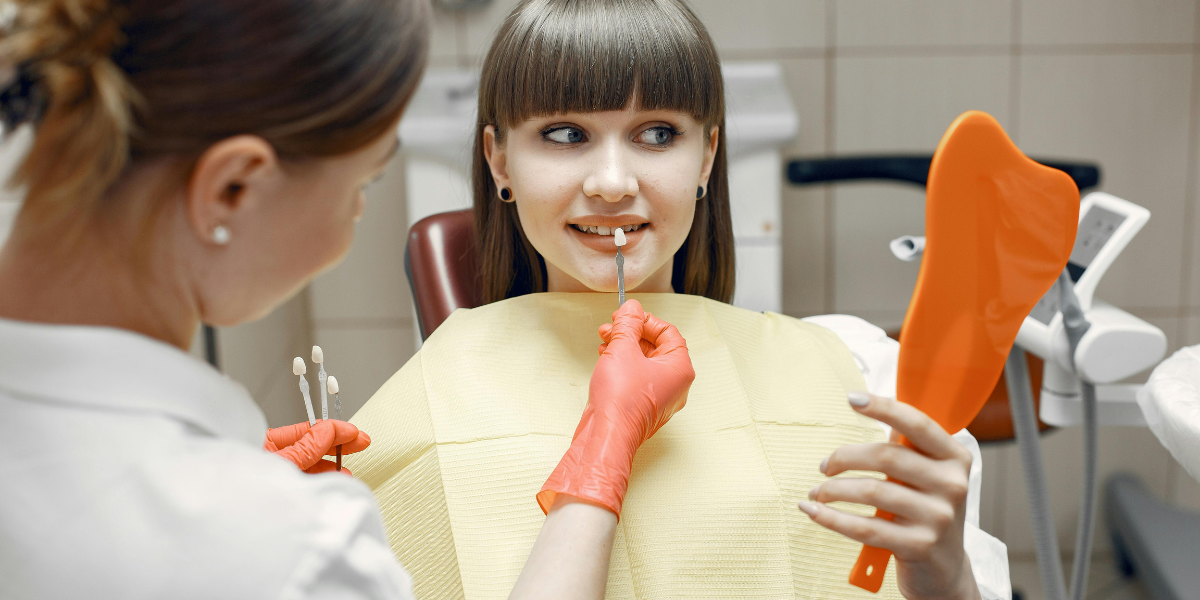
Veneers can change the colour, shape, size, and overall appearance of visible teeth, but that does not mean they are the right treatment for every smile. If you are considering dental veneers in Edmonton, the first question should be whether your teeth, gums, bite, and cosmetic goals make veneers a suitable option.
People also commonly wonder who is a good candidate for dental veneers. In general, suitable candidates have healthy teeth and gums, enough enamel for bonding, manageable bite forces, and cosmetic concerns such as staining, small chips, minor gaps, or uneven tooth shape.
Before deciding, it helps to understand what veneers can correct, what they cannot fix, how the treatment affects your natural teeth, and which alternatives may be worth considering.
What Are Dental Veneers?

Dental veneers are thin, custom-made coverings placed over the visible front surfaces of teeth. They are mainly used as a cosmetic dental treatment to improve features such as colour, shape, proportion, spacing, and minor surface damage.
The American Dental Association explains that veneers may be considered for chipped, stained, misshapen, or mildly irregular teeth. Traditional veneer treatment generally involves removing some enamel, which is why patients should understand the long-term commitment before proceeding. American Dental Association veneer guidance
At Uptown Dental Centre, our dental veneer service includes options designed to improve minor imperfections while considering the health and condition of the underlying teeth.
What Can Veneers Change?
Depending on the condition of your teeth and your treatment plan, veneers may help with:
- veneers for discoloured teeth when staining does not respond as expected to whitening
- veneers for chipped teeth with relatively minor cosmetic damage
- veneers for gaps between teeth, particularly small spaces
- Uneven tooth edges or proportions
- Mild irregularities in tooth shape
- Teeth that appear worn or shorter than neighbouring teeth
- Minor cosmetic alignment concerns
Veneers change the visible surface of a tooth. They do not move the tooth itself or treat active oral disease.
Who Is a Good Candidate for Dental Veneers?

If you are asking who is a good candidate for dental veneers, look beyond the appearance of your smile. A strong dental veneer candidate usually has good underlying oral health, enough healthy tooth structure for predictable bonding, realistic expectations, and cosmetic concerns that veneers can reasonably address.
The goal is not simply to cover a tooth. The dentist also needs to consider how the veneer will function when you bite, chew, and move your jaw.
1. You Have Healthy Teeth and Gums
Having healthy teeth and gums is an important starting point. Untreated cavities, gum inflammation, infection, or other active problems generally need attention before cosmetic treatment begins.
The Canadian Dental Association notes that dental examinations allow dentists to evaluate teeth, gums, and the rest of the mouth for signs of oral health concerns. Canadian Dental Association guidance on dental examinations
A dental checkup can therefore be an important first step before deciding whether veneers are appropriate.
2. You Have Enough Enamel for Bonding
The amount and condition of your enamel for veneer bonding matter because veneers need a stable surface.
Research supports the importance of preserving enamel where possible. A 2025 systematic review and meta-analysis reported stronger survival and success outcomes for ceramic veneers bonded mainly to enamel compared with veneers bonded to teeth with greater dentin exposure. Review the veneer bonding research on PubMed
This is one reason treatment planning should focus on preserving healthy tooth structure whenever clinically appropriate rather than removing unnecessary enamel.
3. Your Main Concerns Are Cosmetic
Veneers are best suited to concerns involving the visible appearance of teeth.
For example, a person with stubborn discolouration, a small chip, uneven edges, or minor spacing may be considered differently from someone with a severely fractured tooth, extensive decay, or a major bite problem.
If colour is your main concern, professional teeth whitening may be worth discussing before choosing veneers.
4. You Have Realistic Expectations
Veneers can create noticeable changes, but your final smile still needs to work with your facial features, bite, gum line, and neighbouring teeth.
A natural result may involve choosing a shade and shape that complement your existing smile rather than simply selecting the whitest or largest option.
University of Rochester Medicine similarly notes that veneers are a long-term treatment decision rather than a temporary cosmetic change. Read University of Rochester Medicine’s veneer guidance
Find Out If Veneers Fit Your Smile
Not sure whether your teeth are suitable for veneers? A veneer consultation allows your dentist to assess your teeth, gums, bite, and cosmetic goals before recommending treatment.
When Might Veneers Not Be the Best First Choice?

Being interested in veneers does not automatically mean treatment should begin immediately. Certain dental conditions may need to be managed first, while other situations may respond better to a different treatment.
Untreated Tooth Decay or Gum Problems
Placing veneers does not eliminate cavities or gum disease. These problems can continue beneath or around restorations if the underlying condition is not managed.
Any active dental disease should therefore be evaluated before cosmetic treatment.
Significant Teeth Grinding or Clenching
The relationship between teeth grinding and veneers is important because repeated force can place additional stress on restorations.
The ADA notes that people who clench or grind their teeth may not always be suitable candidates without additional assessment or management.
Your dentist may examine wear patterns and bite forces before recommending veneers.
Major Crowding or Bite Problems
Veneers can visually improve certain minor alignment concerns, but they do not physically move teeth.
If crowding, spacing, or tooth position is the main issue, orthodontic treatment may provide a more appropriate solution. Uptown Dental Centre also provides Invisalign treatment in Edmonton for patients whose concerns are related to tooth alignment.
Severely Damaged Teeth
A veneer covers the front surface of the tooth. A tooth with extensive structural damage may require a restoration that provides greater coverage.
The correct choice depends on how much healthy tooth structure remains and how the tooth functions.
Porcelain Veneers vs. Composite Veneers
Two commonly discussed options are porcelain veneers and composite veneers. Both can increase the appearance of teeth, but they use different materials and treatment methods.
| Feature | Porcelain Veneers | Composite Veneers |
| Material | Dental ceramic | Tooth-coloured composite resin |
| Appearance | Designed for natural translucency and colour | Can be shaped and colour-matched directly |
| Stain Resistance | Generally higher | More susceptible to staining over time |
| Repair | May require replacement depending on damage | Often easier to repair |
| Tooth Preparation | Varies by case | May require less preparation in selected cases |
| Treatment Approach | Usually custom fabricated | Often applied and shaped directly |
The better option depends on your teeth, cosmetic goals, bite, existing restorations, and how much tooth preparation is appropriate.
If you are researching porcelain veneers in Edmonton, avoid choosing a material based only on photographs or online comparisons. Your dentist should assess the tooth surface, bite, and desired result first.
7 Things to Consider Before Getting Dental Veneers in Edmonton

A structured decision process can help you decide whether veneers deserve a place in your treatment plan.
1. Understand That Veneers Are a Long-Term Decision
Traditional veneer preparation may involve removing a small amount of enamel. Because enamel does not grow back, treatment that involves enamel removal is generally considered irreversible.
You should understand the maintenance and possible future replacement needs before treatment begins.
2. Decide What You Actually Want to Change
Try to identify your main concern clearly.
Is it colour? One chipped tooth? Several uneven edges? Small spaces? Tooth proportions?
Different concerns can have different solutions, so clearly defining your goal prevents unnecessary treatment.
3. Ask How Much Natural Tooth Structure Will Be Preserved
Not every patient needs the same amount of preparation.
Ask your dentist what preparation is expected for your case and why it is needed. Preserving healthy tooth structure should be part of the treatment discussion whenever possible.
4. Consider How Your Bite Affects the Veneers
A beautiful restoration still needs to function properly.
If you grind, clench, have significant tooth wear, or place unusually high pressure on certain teeth, your dentist may need to account for those forces before recommending treatment.
5. Think About Your Other Teeth
Your veneers need to work visually with the teeth around them.
For example, whitening natural teeth before selecting the final veneer shade may sometimes make sense. Once porcelain restorations are made, whitening the surrounding natural teeth later could create a colour mismatch.
6. Ask to Discuss the Expected Appearance
You should have a clear conversation about shape, length, colour, symmetry, and how natural you want the final result to appear.
The American College of Prosthodontists recommends asking about similar previous cases and whether the expected appearance can be previewed before final placement. American College of Prosthodontists veneer FAQ
7. Compare Veneers With Less Invasive Alternatives
Do not assume veneers are automatically the best answer simply because they can address several cosmetic issues at once.
A thoughtful cosmetic dentistry in Edmonton treatment plan should compare reasonable options before proceeding. You can learn about additional choices through Uptown Dental Centre’s cosmetic dentistry services.
What Happens During a Veneer Consultation?

A veneer consultation should focus on both oral health and appearance.
Your dentist may examine the condition of your teeth and gums, check existing fillings or restorations, assess your bite, and discuss any history of clenching or grinding. Photos, impressions, or digital scans may also be useful depending on the treatment plan.
The discussion should then move to what you want changed. Bringing a clear idea of what you like and dislike about your smile can help, but treatment should still be planned around your individual teeth and facial features rather than copying another person’s smile.
Useful questions include:
- Why are veneers suitable for my teeth?
- Are there areas that need treatment first?
- How much enamel may need to be removed?
- Would porcelain or composite suit my situation?
- Are whitening, bonding, or orthodontics reasonable alternatives?
- How will the proposed veneers affect my bite?
- What maintenance should I expect?
- What happens if a veneer chips or becomes damaged?
These questions turn the appointment into a treatment-planning conversation rather than a simple cosmetic purchase.
What Are the Alternatives to Veneers?
The best alternatives to veneers depend on what you want to improve.
Teeth Whitening for Colour Concerns
If your teeth are healthy and their shape and position already suit you, whitening may address colour without covering the tooth surface.
Uptown Dental Centre provides teeth whitening in Edmonton for patients interested in improving tooth brightness.
Orthodontics for Tooth Position
If the primary issue is crowding, rotation, spacing, or alignment, orthodontic treatment may correct the actual position of the teeth instead of masking it.
Invisalign clear aligners may be one option depending on your orthodontic needs.
Dental Bonding for Smaller Cosmetic Changes
Composite bonding may be considered for some small chips, gaps, or shape changes.
Because treatment needs vary, bonding and veneers should be compared based on the amount of correction required, bite forces, tooth structure, and expected maintenance.
Crowns for Heavily Restored or Damaged Teeth
A crown covers considerably more tooth structure than a veneer and is generally used for different restorative needs.
When a tooth is very weakened or damaged, your dentist may determine that a veneer does not provide the type of coverage required.
How Long Do Dental Veneers Last?

There is no single lifespan that applies to every patient.
Material, tooth preparation, bite forces, oral hygiene, grinding habits, diet, and accidental trauma can all affect how long dental veneers last.
Long-term clinical evidence is encouraging for appropriately planned ceramic veneers. A systematic review involving 6,500 porcelain laminate veneers estimated a 95.5% cumulative survival rate at 10 years, although individual outcomes depend on patient and treatment factors.
Veneers can still chip, fracture, loosen, or eventually require replacement. They should therefore be viewed as a long-term dental treatment that needs ongoing care rather than a permanent treatment that will never need attention.
How Should You Care for Veneers?
Good veneer aftercare is similar to caring for natural teeth.
Brush thoroughly with fluoride toothpaste, clean between your teeth daily, and continue regular dental examinations and professional cleanings. Teeth beneath and around veneers can still develop decay, while gum health remains important for the appearance of the veneer margins.
The Canadian Dental Association recommends regular dental examinations based on each patient’s oral health needs rather than relying on one schedule for everyone. Read the Canadian Dental Association’s checkup recommendations
Avoid using veneer-treated teeth to bite very hard non-food objects, open packaging, or perform other tasks that place unnecessary pressure on the restorations.
If you grind your teeth, follow your dentist’s recommendations for protecting both your natural teeth and restorations.
Can Veneers Cause Tooth Sensitivity?

Some patients may notice temporary tooth sensitivity after veneers, particularly when tooth preparation has been required.
Sensitivity should be discussed during the planning process because the amount of tooth preparation varies between patients. The ADA also notes that veneers can experience problems such as chipping, cracking, wearing, or loosening over time.
If sensitivity feels severe, persists, or develops unexpectedly after treatment, contact your dental team for an assessment rather than assuming it is normal.
Frequently Asked Questions About Dental Veneers
Are Dental Veneers Permanent?
Veneers can last for years, but they should not be considered permanent in the sense that they will never need repair or replacement. Traditional treatment that removes enamel is generally irreversible, meaning the treated tooth will usually continue to require a restoration.
Can Veneers Fix Crooked Teeth?
Veneers may improve the appearance of mild irregularities, but they do not move teeth or correct significant bite problems. Orthodontic treatment may be more suitable when tooth position is the main concern.
Can I Get Veneers If I Grind My Teeth?
Possibly, but active grinding or clenching needs careful assessment. Excessive forces can increase stress on veneers, so your dentist may recommend managing the grinding or considering another treatment plan.
Do My Teeth Need to Be Healthy Before Veneers?
Yes. Untreated decay, gum disease, infection, or other oral health concerns generally need attention before veneers are considered. A healthy foundation supports more predictable cosmetic treatment.
Can Veneers Replace Teeth Whitening?
Veneers can change tooth colour, but they are not automatically the best option for staining alone. If your teeth are otherwise healthy and you simply want a brighter shade, professional whitening may be a less invasive option.
How Do I Know Whether Porcelain or Composite Veneers Are Better for Me?
The choice depends on your cosmetic goals, tooth structure, bite, desired appearance, treatment approach, and maintenance expectations. A dental examination is needed to compare the options for your specific situation.
Compare Your Cosmetic Dentistry Options
Veneers are one possible way to improve a smile, but whitening, orthodontics, bonding, or another treatment may sometimes make more sense. Our team can assess your teeth and explain the available options. Explore Dental Veneers and
Book an Appointment
Are Dental Veneers Right for You?
Choosing dental veneers in Edmonton should begin with a clear understanding of your oral health and what you want to change. Veneers may be a suitable option for healthy teeth affected by persistent discoloration, minor chips, small gaps, uneven shape, or other cosmetic concerns, but they are not the right answer for every situation.
The most important step is determining whether the treatment preserves healthy tooth structure, suits your bite, and gives you realistic expectations about maintenance and future care.
At Uptown Dental Centre, we can assess your teeth, discuss your cosmetic goals, and compare veneers with other appropriate options. If you want to know whether you are a suitable dental veneer candidate, book an appointment to discuss your smile with our dental team.